Clapham Junction driveway access tips for Wandsworth gardeners
If you garden in Wandsworth and regularly work near Clapham Junction, driveway access can make or break a job. One blocked gate, a tight turning circle, or a neighbour's car parked half over the kerb, and suddenly a simple maintenance visit turns into a juggling act. The good news is that a little planning goes a long way. In this guide to Clapham Junction driveway access tips for Wandsworth gardeners, you'll find practical ways to move equipment safely, protect surfaces, keep clients happy, and avoid the small delays that become big ones on busy London streets.
We'll cover why access matters, how to assess it properly, what to do before arrival, which tools and working methods help most, and where the usual mistakes creep in. You'll also find a checklist, a comparison table, and a realistic example from day-to-day garden work. Nothing fancy. Just the sort of advice that actually helps on a damp Tuesday morning when the van is full and the hedge cuttings are already piling up.
Table of Contents
- Why Clapham Junction driveway access tips for Wandsworth gardeners Matters
- How Clapham Junction driveway access tips for Wandsworth gardeners Works
- Key Benefits and Practical Advantages
- Who This Is For and When It Makes Sense
- Step-by-Step Guidance
- Expert Tips for Better Results
- Common Mistakes to Avoid
- Tools, Resources and Recommendations
- Law, Compliance, Standards, or Best Practice
- Options, Methods, or Comparison Table
- Case Study or Real-World Example
- Practical Checklist
- Conclusion
- Frequently Asked Questions
Why Clapham Junction driveway access tips for Wandsworth gardeners Matters
Driveway access sounds like a small operational detail, but it affects almost everything a gardener does: arrival time, vehicle positioning, unloading, manual handling, client communication, and the condition of paths, paving, turf, and planting beds. Around Clapham Junction, where streets can be busy and parking is often limited, poor access can waste time before the first spade even comes out of the van.
For Wandsworth gardeners, access planning matters for another reason too: gardens are often tucked behind terraced homes, split-level properties, narrow side passages, or shared drives. That means the route from vehicle to work area is just as important as the gardening itself. If you have to carry hedge trimmers, bags of green waste, or heavy paving materials through a tight entrance, the risk of damage and strain increases fast.
There's also a client-experience angle. A tidy, well-organised arrival feels professional. A gardener who asks the right access questions in advance tends to finish smoother, with fewer surprises. And let's face it, nobody enjoys discovering the only place to unload is directly behind a neighbour's reversing car.
Useful operational clarity can be found across the wider site too, especially in the services overview and the team's approach to health and safety expectations, which both reinforce the value of planning before work begins.
How Clapham Junction driveway access tips for Wandsworth gardeners Works
Good driveway access planning is really a sequence of small decisions made early. First, confirm the physical route. Then check what can be parked where, what needs lifting, whether the driveway surface can take the load, and how the work will be staged. You're trying to remove friction before it appears.
In practical terms, that means asking a few simple questions before the job starts:
- Can a van stop close enough to the entrance without blocking traffic or a neighbour?
- Is the driveway wide enough for a wheelbarrow, mower, or waste bags?
- Are there steps, steep slopes, narrow gates, or uneven surfaces?
- Will equipment need to be carried through the house, side gate, or rear access?
- Are there likely obstructions such as bins, bikes, or parked cars?
That sounds obvious, but in real life people forget one or two of these all the time. You arrive with a plan for the hedge, only to discover the access gate opens inward and the compost bins are parked in front of it. Tiny issue, annoying outcome.
To make this work well, gardeners typically follow a simple workflow: assess, prepare, protect, move, then review. If you are combining clearance with maintenance or landscaping, the route matters even more. Waste removal, tool movement, and surface protection all need to be considered together, not one at a time.
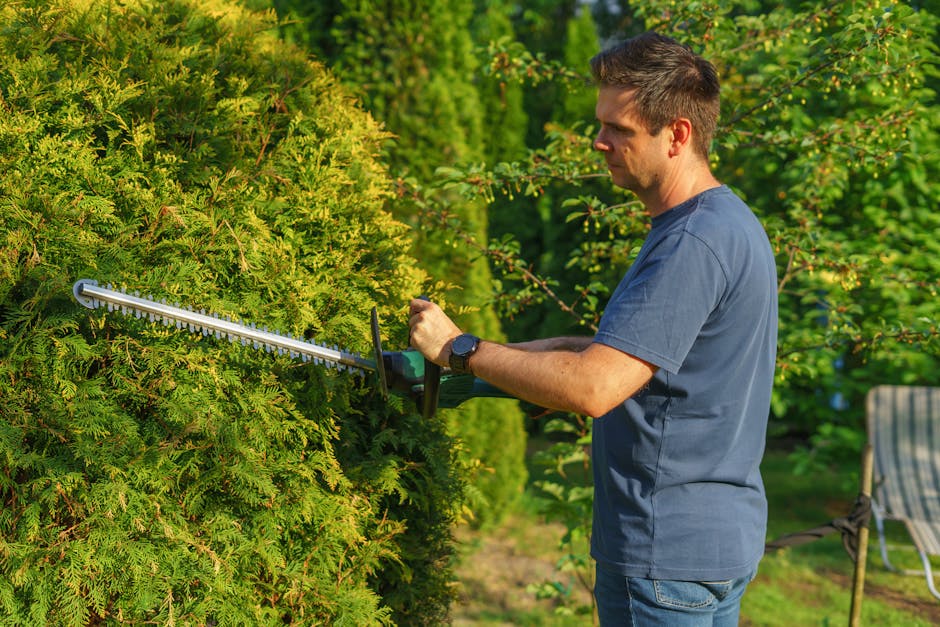
For larger jobs, access planning often connects with services such as garden clearance, lawn mowing, hedge trimming, or broader landscaping, because each service changes the kind of equipment and waste movement involved.
Key Benefits and Practical Advantages
When driveway access is handled well, the gains are immediate. The work feels calmer, the garden is less likely to be damaged, and the day runs closer to schedule. Here's what that looks like on the ground.
- Faster setup: tools and materials get from van to garden quickly, so the job starts on time.
- Less risk of damage: paving, steps, gates, lawn edges, and borders are less likely to get scuffed or crushed.
- Better manual handling: shorter carry distances reduce strain, especially with soil, timber, or cut waste.
- Cleaner work area: a sensible route keeps mud and debris under control.
- Clearer pricing conversations: access is one of the factors that can affect how long a job takes, so expectations stay realistic.
- Less neighbour friction: fewer awkward blockages and fewer complaints about vans, gates, or noise in the street.
There is a quiet professional benefit too. Gardeners who manage access well usually look more organised overall. Clients notice that. Even if they do not say it out loud, they can tell when a team has thought things through.
If you are comparing service types and planning the work in stages, it can help to review garden maintenance options alongside more intensive tasks. The access demands are not the same, and it pays to be honest about that from the start.
Who This Is For and When It Makes Sense
This advice is for anyone gardening in Wandsworth where access is not completely open and simple. In other words: most of us. It is especially useful if the property sits near Clapham Junction, where residential streets can be tighter, parking more competitive, and entrances a bit fiddly.
You will probably benefit most if you are:
- a gardener working on regular domestic maintenance
- a landscaper moving heavier materials such as sleepers, soil, or paving
- a tree or hedge specialist dealing with bulky cuttings
- a homeowner trying to brief a contractor properly before the visit
- a property manager responsible for access on shared or multi-occupancy sites
It also makes sense if the work happens in stages. For example, a hedge trim today, a clearance next week, and decking or reshaping later in the month. Once access becomes a repeated issue, small improvements start saving real time.
Truth be told, if you've ever spent ten minutes trying to angle a wheelbarrow through a gate that is just a bit too narrow, you already know why this matters. One inch can feel like a mile.
Step-by-Step Guidance
Here is a practical way to approach driveway access before any gardening job in the Clapham Junction and Wandsworth area.
-
Start with a quick access survey.
Look at the driveway width, gate opening, surface condition, steps, turns, and any overhead obstacles. Note anything that might prevent a van from unloading close to the entrance.
-
Identify the main route from vehicle to work area.
Walk the exact path you expect to use. Is it direct, or will you need to snake around bins, furniture, planters, or a tight side return? The shortest route is not always the safest route.
-
Decide what needs protecting.
Think about paving, gravel, turf, steps, doors, and painted woodwork. Where needed, use boards, mats, or simple coverings so repeated foot traffic doesn't leave marks.
-
Match equipment to access conditions.
A compact mower, foldable sack truck, or smaller load container can make a big difference where the route is tight. If a job is awkward on foot, it usually becomes awkward with a full load too.
-
Plan waste movement before cutting starts.
It helps to know where green waste will be stacked temporarily and how it will leave the site. If you leave this until the end, you can end up carrying the same waste twice. Nobody needs that.
-
Agree communication signals.
If several people are on site, decide who will guide the van, who will open gates, and how you will signal when movement is safe. Simple hand signals or a short verbal check are often enough.
-
Review access at the end of the visit.
If something slowed you down, note it for next time. Was the gate sticky? Did a parked car block the drive? Did a tool case catch on the step? Small notes build better future visits.
That process sounds a little formal, but in practice it becomes second nature very quickly. After a few jobs you can spot the likely bottleneck almost instantly. The smell of freshly cut grass, a slope in the driveway, a narrow gate - all tiny clues that tell you how the day is going to unfold.
Expert Tips for Better Results
In our experience, the best access solutions are usually the least dramatic ones. You do not need a heroic workaround. You need fewer surprises.
- Arrive with light, not heavy, loads. Split tools and materials into manageable batches. It reduces slips and makes tight access far easier.
- Keep the driveway clear before you start. Ask the client to move cars, bikes, bins, and anything else that might become a nuisance.
- Use the straightest route possible. Even if the route is a little longer, a smooth line often beats a clever shortcut through a narrow gap.
- Protect the obvious friction points. Gate latches, wall corners, step edges, and paving joints are the places that get caught out first.
- Work from the access point inward. If you start by clearing the path, everything after that becomes easier.
- Leave a buffer for loading back up. The job is not done until waste and tools are back out cleanly and safely.
One small but valuable habit is to photograph awkward access on the first visit, with the client's permission. It can help with planning next time and reduce those "was it this narrow, or worse?" moments. A bit nerdy, yes. Very useful, also yes.
If access issues are part of a broader redesign, the team's landscape gardening services may be relevant, especially where hard landscaping, levels, or pathways need to be rethought rather than just worked around.
Common Mistakes to Avoid
Most access problems are not dramatic. They are small assumptions that stack up. Here are the ones that cause trouble most often.
- Assuming a driveway equals easy access. A driveway can still be too steep, too narrow, or blocked by turning constraints.
- Not checking gate width. Gate posts and handles can reduce usable width more than you expect.
- Forgetting waste flow. Cutting or clearing without a waste route means clutter builds quickly.
- Ignoring surface protection. Wet tyres, steel edges, and repeated foot traffic can mark resin, slabs, and borders.
- Underestimating shared access. If a driveway is shared, timing and courtesy matter just as much as physical space.
- Bringing oversized equipment by default. Sometimes the larger machine is the wrong machine for the site.
A lot of these mistakes happen because the job is judged from the front boundary, not from the actual working route. That is the trap. The entrance looks fine, so everyone relaxes, and then the rear path turns out to be a twisty little puzzle.
It's not the end of the world. But it does cost time.
Tools, Resources and Recommendations
For driveway access work, the best tools are the ones that make movement safer and simpler without adding clutter. You are trying to reduce carrying distance, protect the site, and keep the job flowing.
| Tool or approach | Best for | Why it helps |
|---|---|---|
| Wheelbarrow or sack truck | General garden movement, waste, and bags | Reduces repeated lifting and makes narrow routes more manageable |
| Protective boards or mats | Paving, resin, decking edges, and tight turn points | Helps prevent scuffs, sink marks, and dirty tyre tracks |
| Compact hand tools | Tight gardens and small side access routes | Easier to carry and less likely to snag on gates or corners |
| Clear labelling or load separation | Mixed jobs with tools, waste, and materials | Stops waste and equipment becoming tangled together |
| Pre-visit access notes | Repeat visits and multi-stage projects | Saves time and reduces avoidable mistakes |
For clients and gardeners who want the bigger picture, it can help to review the relevant service pages before agreeing the work. For example, tree lopping and removal often requires more careful access planning than standard pruning, while lawn mowing usually needs less preparation but still benefits from a clear route and clutter-free entrance.
If you are comparing providers, a transparent approach to pricing and quotes can also help you understand whether access constraints are being fairly factored into the job. That kind of clarity is reassuring, honestly.
Law, Compliance, Standards, or Best Practice
While driveway access is often treated as a practical issue, it also touches on health and safety, manual handling, and good site practice. In the UK, gardeners and landscapers are expected to work in a way that reduces avoidable risk to workers, clients, neighbours, and property. The exact duties depend on the job and setting, so it is sensible to take a cautious, common-sense approach rather than rely on assumptions.
For example, if access is tight, the safer option may be to break a task into smaller loads rather than push one oversized trip through a narrow gap. If a driveway is shared, it is usually best practice to minimise obstruction and communicate clearly with nearby residents. And if the access route feels unsafe, uneven, or unstable, it is better to pause and adapt than to force the issue.
Good practice also includes keeping equipment in a condition suited to the route. A wobbly wheelbarrow, loose handle, or badly stacked load is asking for trouble. No drama, just avoidable risk. Garden work tends to look calm from the outside, but the movement behind the scenes is where problems usually start.
For customers who want reassurance around standards and site care, it can be helpful to understand a contractor's wider policies, including insurance and safety and recycling and sustainability, because access planning often affects both safe working and waste handling.
Options, Methods, or Comparison Table
Different access methods suit different gardens. The right choice depends on the width of the route, the amount of waste, the type of work, and how much foot traffic the property can handle.
| Method | Best when | Pros | Trade-offs |
|---|---|---|---|
| Direct driveway unloading | The drive is wide and unobstructed | Fast, efficient, low carrying effort | Can be impossible in busy shared settings |
| Short carry from kerbside | Parking is limited but the route is short | Flexible and practical | More manual handling and more trips |
| Side access route | Property has a side return or rear gate | Keeps front of house tidy and discreet | Often narrow, awkward, or weather-sensitive |
| Staged movement with smaller loads | Access is tight or the job is heavy | Safer and easier to control | Takes longer, but usually worth it |
In many Clapham Junction jobs, the most sensible answer is not "one method forever" but a mix. A gardener may unload hand tools via the drive, move waste through a side path, and stage materials at the rear. That flexibility is often the difference between a smooth day and a frustrating one.
Case Study or Real-World Example
Imagine a small Wandsworth terrace near Clapham Junction with a narrow front drive, a side gate, and a back garden that has not been touched properly for a few months. The client wants hedge trimming, light clearance, and a tidy-up of the lawn edges.
On the first visit, the gardener checks the gate opening and notices the wheelbarrow would need to turn sharply over a slightly uneven slab. Not ideal. Instead of forcing that route, they unload the lighter hand tools at the drive, move waste in smaller bags, and keep the larger trimmings stacked temporarily by the rear access point. A board goes down over the most vulnerable paving edge. Simple, not flashy.
The result? Less mess, fewer trips over the same patch of ground, and no scuffed paintwork on the gatepost. The job finishes on time, and the client is not left wondering why the paving looks a bit tired the next morning.
That is the real point of access planning. Not perfection. Just avoiding the little problems that grow teeth.
Where the work involves a heavier tidy-up, pairing access planning with a structured garden clearance approach can make the difference between an efficient visit and a long, awkward one. If the property needs more than a tidy-up, larger changes may also sit under landscaping rather than routine maintenance.
Practical Checklist
Use this before a visit, especially if the site is in or around Clapham Junction:
- Confirm the exact access route from street to garden.
- Check gate width, opening direction, and latch position.
- Ask whether cars, bins, or bikes need moving first.
- Identify any steps, slopes, loose slabs, or wet patches.
- Decide where tools will be unloaded and reloaded.
- Plan how green waste will be moved and where it will be stacked.
- Protect sensitive surfaces where repeated movement will occur.
- Use appropriately sized equipment for the available access.
- Keep the path clear during the job, not just at the start.
- Review the access layout after the work so the next visit is easier.
Expert summary: the safest and smoothest driveway access strategy is usually the one that reduces lifting, shortens the carry distance, protects surfaces early, and keeps communication clear. Simple, but powerful.
For homeowners who are still choosing a provider or checking how a company works, the pages on about the team, complaints procedure, and payment and security can help build trust before the first appointment.
Conclusion
Clapham Junction driveway access tips for Wandsworth gardeners come down to one simple truth: access is part of the job, not a side issue. The better the route from street to garden, the safer the work, the smoother the day, and the better the finish. Whether you're trimming hedges, clearing a crowded border, or managing a larger landscaping project, a few minutes of access planning can save a surprising amount of time and stress.
That doesn't mean every garden has to be easy. Far from it. London plots are often awkward, a bit cramped, and occasionally stubborn. But with the right questions, the right kit, and a sensible working sequence, even tricky access can be handled cleanly. And that's usually what people really want: steady, careful work that feels well managed from start to finish.
Get a free quote today and see how much you can save.
If you are ready to plan your next garden visit with fewer access headaches, explore the wider service range and choose the option that fits your property best. A well-planned job always feels a little lighter by the end of the day.
Frequently Asked Questions
What should Wandsworth gardeners check before using a Clapham Junction driveway?
Check the driveway width, gate opening, turning space, surface condition, and any parked cars or bins. It is also worth walking the route from the van to the garden before unloading.
Why does driveway access matter so much for garden work?
Good access reduces carrying distance, lowers the risk of damage, and helps the job run on time. It also makes it easier to move waste out of the property without repeated trips.
What if the driveway is too narrow for a van?
If a van cannot safely unload close to the entrance, gardeners usually plan for kerbside parking, smaller load movements, or a different access route. The safest option depends on the property layout.
How can I protect paving and paths during garden work?
Use boards or mats on vulnerable surfaces, avoid dragging heavy items, and keep repeated foot traffic to one clear route. Wet weather can make protection even more important.
Is side access better than driveway access?
Not always. Side access can be useful because it keeps the front of the property clear, but it may be narrower, darker, or more awkward to use. The best route depends on the site.
Should a gardener ask for access details before the first visit?
Yes, absolutely. A few quick questions beforehand can prevent delays and help the gardener bring the right equipment. It is one of the easiest ways to avoid problems on arrival.
What access issues are most common around Clapham Junction?
Common issues include limited parking, narrow entrances, shared drives, awkward gate widths, and tight routes to rear gardens. Busy streets also make unloading more time-sensitive.
Does difficult access usually increase the time a job takes?
Often, yes. If tools, waste, or materials need to be moved in smaller loads or carried a longer distance, the work usually takes longer. That is normal and should be planned for rather than guessed.
What is the best way to move garden waste through a tight driveway?
Smaller, manageable loads are usually better than oversized bags or overfilled containers. A clear route and good stacking discipline make a big difference, especially on narrow properties.
Can access planning help with hedge trimming and garden clearance?
Definitely. Hedge trimming often creates a lot of cut material, and clearance jobs can produce bulky waste quickly. Better access planning makes both services safer and far more efficient.
How do I know if my garden needs basic maintenance or a bigger access-aware redesign?
If the access route is consistently causing delays, surface wear, or repeated manual handling problems, it may be worth looking at broader landscape gardening or wider design changes rather than simply working around the issue each time.
Where can I learn more about the company's working standards?
You can review the site's insurance and safety information, the health and safety policy, and the recycling and sustainability page for a clearer picture of how work is handled responsibly.