Wandsworth gardeners Battersea Park planting insider tips
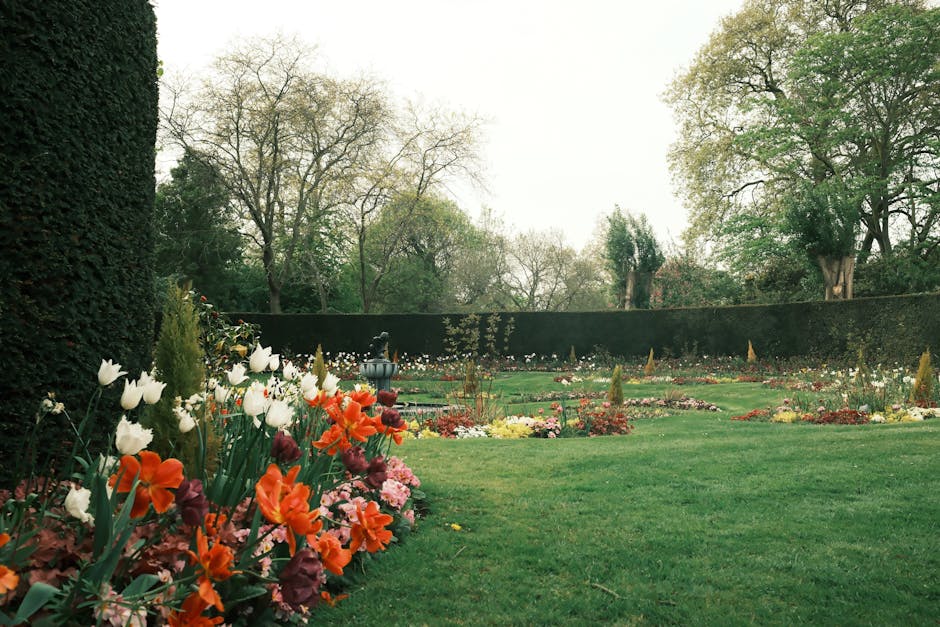
If you want planting that looks good in Battersea Park's kind of conditions and still stands up to real London life, you need more than a pretty plant list. You need timing, soil judgement, sensible species choices, and a bit of local know-how. That is exactly where Wandsworth gardeners Battersea Park planting insider tips come in. The difference between a border that thrives and one that sulks is often surprisingly small: a few centimetres of drainage, the right mulch, the right pruning rhythm, the right amount of restraint. In our experience, that is the bit people miss.
This guide breaks down how local gardeners approach planting near Battersea Park, what matters most in Wandsworth gardens, and the practical steps that make planting projects easier to maintain. Whether you are refreshing a small front garden, improving a terrace, or planning a fuller landscape update, you will find clear advice you can actually use.
Expert summary: good planting in this part of London is less about chasing exotic trends and more about matching plants to exposure, soil, water movement, and the way the space is used day to day. Get those right and the rest is much calmer. Honestly, your plants will thank you for it.
Why Wandsworth gardeners Battersea Park planting insider tips Matters
Battersea Park sits in a busy, built-up pocket of London, and that shapes everything about planting. Sheltered spots can behave very differently from exposed corners. Some gardens catch reflected heat from brick, paving, or glass. Others sit under trees, near fences, or beside compacted soil that drains badly after a downpour. If you plant as though every garden is the same, you usually end up redoing it. Not ideal.
Local gardeners look at planting as a system, not a shopping list. They ask: where is the morning light? Does water sit after rain? Is there competition from roots? Is the garden mostly seen from indoors, or used for sitting out? These details matter because the plant choice, spacing, and aftercare all depend on them.
That is why Battersea Park planting advice is valuable for homeowners and landlords in Wandsworth. It helps you avoid the classic cycle of buying plants that look beautiful for two weeks and then lose their energy. If you want a better chance of long-term success, the answer is usually not more plants. It is better planning.
And to be fair, planting in London can be a bit of a juggling act. You want colour, structure, and wildlife value, but you also need something that will cope when summer arrives quickly or when winter stays damp for longer than expected.
How Wandsworth gardeners Battersea Park planting insider tips Works
The approach is simple in principle and a bit more nuanced in practice. Start with the site, then match the plants, then set the maintenance routine. Skip one of those steps and the whole thing becomes guesswork.
Here is the basic flow:
- Assess the garden honestly. Measure light, shade, drainage, wind, soil condition, and how the garden is used.
- Choose plants for the conditions. Not just for looks. A plant that thrives in moist shade will struggle in a hot, dry border, no matter how nice the label looked in the nursery.
- Prepare the ground properly. Soil improvement, weed removal, and edging all help plants settle in.
- Plant with space to grow. Crowding plants too tightly creates maintenance headaches later.
- Water in the right way. Deep, less frequent watering usually works better than little and often.
- Mulch and maintain. Mulching helps with moisture retention and weed suppression, while regular checks catch problems early.
That may sound obvious, but the detail is where results are won or lost. For example, a border that looks a little sparse in April can be perfect by July once perennials and shrubs fill out. People often overplant because they want instant impact. Then, six months later, everything is competing for air and light. It happens all the time.
If your project involves more than planting alone, it often makes sense to combine it with landscape gardening or broader landscaping work so the layout, edging, and planting scheme support one another. A border planted against a badly shaped bed will never quite feel finished. It's a small thing, but not really small at all.
Key Benefits and Practical Advantages
Good planting does more than make a garden look tidy. It changes how the whole space feels and how much effort it demands from you across the year.
- Better year-round structure. Mixing evergreen shrubs, grasses, and seasonal flowers prevents the garden from looking flat in winter.
- Lower maintenance pressure. The right plants need less rescue work, less replacing, and less constant watering.
- Improved resilience. Plants suited to your soil and light can handle heat spikes, wet spells, and general urban wear better.
- Cleaner visual flow. Thoughtful planting can make a compact Battersea garden feel calmer and more spacious.
- More pollinator value. Nectar-rich planting and layered borders can support bees and other beneficial insects.
- Better property presentation. Front gardens, entry paths, and visible planting areas make a strong first impression.
One thing people often overlook is the maintenance angle. A planting scheme that is easy to manage is not just cheaper over time, it is also more enjoyable. Gardens should not feel like homework every weekend. They should feel alive, yes, but also manageable.
If you are already dealing with overgrown beds, awkward edging, or a garden that needs a reset before planting can begin, a proper garden clearance service can save a lot of time and frustration. Sometimes the best planting advice is simply: clear the slate first.
Who This Is For and When It Makes Sense
This guidance is useful for all sorts of people, not just keen gardeners. In fact, some of the best planting decisions are made by people who just want the garden to stop fighting back.
You may find it especially useful if you are:
- a homeowner wanting a better-looking front or back garden
- a landlord trying to improve kerb appeal without creating a high-maintenance jungle
- a busy professional who needs low-effort planting that still looks polished
- a new resident in the Wandsworth area who wants to understand the garden before changing it
- someone planning a redesign near Battersea Park where light and exposure vary across the site
It also makes sense if your current planting feels out of step with the rest of the property. Maybe the shrubs are too large for the bed. Maybe the old flower mix has gaps, bare soil, and a few stubborn weeds hanging on for dear life. That is usually the point where a more strategic approach pays off.
For seasonal upkeep, especially once the planting is established, linking your plan to garden maintenance can be a sensible move. Planting is not a one-off event. It settles, changes, and needs watching.
Step-by-Step Guidance
1. Read the site before you buy anything
Walk the garden at different times of day. Morning shade can become strong afternoon sun. A sheltered corner can still get cold, damp air. Look at where water collects after rain and where the soil dries quickly. This first walk tells you more than a catalogue ever will.
2. Test the soil by feel, not just by name
You do not always need a lab-style soil test to make good planting decisions. A simple hand test can tell you a lot. Does the soil crumble nicely, or does it hold in a sticky lump? Does it feel sandy and free-draining, or heavy and waterlogged? That gives you a decent starting point.
Clay-heavy soil near urban gardens can benefit from added organic matter and careful drainage work. Very sandy soil may need more moisture-holding material and a sharper watering plan. Keep it practical.
3. Build the structure first
Think in layers: background shrubs, mid-height perennials, and lower groundcover. This creates a planting scheme that feels full without becoming chaotic. Structure matters more than a random mix of "pretty" plants, especially in smaller gardens where every metre counts.
4. Choose plants that suit the garden's habits
Ask a simple question: will this plant still look good when nobody is fussing over it? If the answer is no, think again. For many Wandsworth gardens, tough but attractive options usually include a blend of evergreen shrubs, herbaceous perennials, ornamental grasses, and climbers trained against fences or walls.
5. Plant with breathing room
It is tempting to cram things in because the bed looks empty on day one. Resist that urge. A bed can look a little bare at first and still be the right long-term design. Plants need space for roots, air movement, and future growth.
6. Water properly after planting
New plants need consistent attention for the first growing season. Deep watering encourages roots to go down, which is what you want. Shallow watering can keep roots near the surface, where they are more vulnerable in dry weather.
7. Mulch, edge, and observe
Finish with mulch to help retain moisture and reduce weeds. Clean edges make a planted area feel finished, even if the scheme is still maturing. Then observe. The garden will tell you a lot in the first few weeks. A plant drooping at noon may be fine by evening, or it may be asking for help. Learn the difference.
Expert Tips for Better Results
These are the small choices that make a planting scheme feel considered rather than improvised.
- Mix evergreen and seasonal interest. Without evergreen plants, winter can feel empty. Without seasonal colour, the garden can feel static.
- Use repetition wisely. Repeating a few plants across the border gives rhythm and calm. Too much variety can look cluttered.
- Choose one or two "feature" plants. A strong focal point gives the eye somewhere to land. You do not need five of them. That gets messy very fast.
- Watch for reflected heat. Brick walls, paving, and glass can intensify sun and dry out nearby soil.
- Group plants by water need. It makes watering simpler and avoids overwatering plants that prefer drier conditions.
- Use climbers where floor space is limited. In compact gardens, vertical planting is often the smartest trick in the book.
One helpful habit is to design for the garden you actually live with, not the one you see on a sunny weekend mood board. There is a difference. A big one, frankly.
If hedges or boundary planting are already shaping the space, consider regular hedge trimming so the planting around them gets enough light and air. A good hedge can frame a garden beautifully. A neglected one can smother it.
Common Mistakes to Avoid
Most planting problems are predictable. That is the good news. You can avoid them if you know what to watch for.
- Buying on looks alone. A beautiful plant that hates your soil is a short-lived pleasure.
- Overcrowding borders. Tight planting can look lush for a moment, then become a maintenance headache.
- Ignoring drainage. Many failures start underground, where the signs are easy to miss at first.
- Forgetting mature size. That tiny shrub may grow into something much wider than expected.
- Leaving weeds in place. Weeds compete for water and light from day one.
- Skipping aftercare. Plants are not plug-and-play. They need a settling-in period.
There is also a more subtle mistake: designing for instant impact at the expense of longevity. A garden can look full on planting day and still be wrong six months later. The aim is not "busy"; the aim is balanced. Slightly underrated word, balanced.
Tools, Resources and Recommendations
You do not need a van full of specialist kit to plant a garden well, but the right basics make the job smoother and safer.
| Item | Why it helps | Best used for |
|---|---|---|
| Spade and hand trowel | Useful for digging, planting, and edging | Bed preparation and planting |
| Fork | Helps loosen compacted soil without overworking it | Soil improvement |
| Watering can or hose | Allows controlled watering after planting | Establishing new plants |
| Organic mulch | Retains moisture and reduces weeds | Finishing borders |
| Gloves and secateurs | Protects hands and keeps pruning neat | Small maintenance jobs |
| Wheelbarrow or trug | Makes moving soil and compost less of a drag | General planting work |
If you are planning a wider refresh, the right planting often works best alongside tidy lawns, clean edges, and a clear structure. That is where lawn mowing and other routine care can quietly improve the feel of the whole space. A neat lawn makes planting look more intentional. Simple, but effective.
For larger projects, you may also want to check the broader services overview so the planting work fits with other improvements rather than sitting awkwardly on its own. A garden rarely works in isolated parts.
Law, Compliance, Standards, or Best Practice
Planting itself is not usually a heavily regulated activity, but there are still practical standards and responsibilities worth keeping in mind.
First, if work involves ladders, tree branches, heavy lifting, or powered tools, safe working practices matter. Reputable gardeners should handle access, equipment, and waste responsibly. If you are hiring help, it is reasonable to ask about health and safety policy and insurance and safety. That is not being fussy. It is sensible.
Second, waste should be managed properly. Soil, cuttings, and packaging should not be left scattered around or dumped thoughtlessly. If a planting job uncovers old roots, broken edging, or accumulated debris, responsible disposal matters. In some cases, pairing the work with recycling and sustainability practices is the cleaner route.
Third, if your planting work affects shared boundaries, trees, or access routes, it is worth checking the practical implications before you start. In London, the best jobs are usually the ones planned with neighbours and access in mind. Nobody enjoys a surprise pile of compost blocking the path at 8am.
Finally, if you are commissioning work, make sure the terms are clear. Pricing, timing, scope, and payment expectations should all be understood before anyone digs a hole. For that, pricing and quotes information is a useful starting point. Clear expectations tend to save everyone a headache.
Options, Methods, or Comparison Table
Not every planting job needs the same method. Here is a simple comparison to help you decide how hands-on you want to be.
| Approach | Best for | Pros | Watch-outs |
|---|---|---|---|
| DIY planting | Small beds, simple borders, confident gardeners | Lower cost, full control, flexible timing | Easy to misjudge spacing, soil, or aftercare |
| Guided planting plan | Homeowners who want better design choices | More structured, fewer mistakes, better plant matching | Still requires some follow-through |
| Full planting and landscaping package | Redesigns, problem gardens, larger spaces | More cohesive layout, better drainage and structure | Higher upfront commitment |
| Maintenance-led planting | Busy households and rental properties | Low fuss, easier to keep tidy, simpler upkeep | May be less adventurous visually |
For many Battersea gardens, the middle option is the sweet spot. A sensible plan, a little expert guidance, and then regular maintenance. That combination usually beats rushed full redesigns or over-confident DIY experiments. Not glamorous, but it works.
Case Study or Real-World Example
Here is a realistic example from the kind of garden many Wandsworth gardeners see near Battersea Park. A small back garden had a patchy lawn, a narrow border against a brick wall, and a sunny corner that dried out fast by late afternoon. The owner wanted colour, but not a garden that demanded constant weekend rescue.
The first step was clearing the old, tired planting and checking the soil. The border was dry near the wall and much wetter closer to the fence. Rather than forcing one planting style across the whole bed, the space was broken into simpler zones. A couple of evergreen shrubs gave structure, perennials were grouped in the warmer section, and a climber was trained vertically to make the wall feel less harsh.
The result was not instant perfection. Gardens rarely are. But over the next few weeks the space settled in nicely, and by early summer it felt fuller, calmer, and far easier to maintain. The owner did not need to keep buying replacements because the plants matched the conditions from the start. That is the real win.
There was one small moment that sums it up: after a light rain, the border smelled properly alive again, that earthy, clean scent you get when a garden has finally started working with itself rather than against itself. Simple thing. Big difference.
Practical Checklist
Use this before you plant, especially if you want results that last beyond the first season.
- Have you checked light, shade, wind, and drainage across the garden?
- Do you know which areas dry out fastest after sun or paving heat?
- Have you removed weeds, debris, and old failed plants?
- Are your chosen plants matched to the actual soil conditions?
- Have you allowed enough space for mature growth?
- Is there a clear watering plan for the first 8 to 12 weeks?
- Will the planting still look good in winter, not just summer?
- Have you planned for maintenance, trimming, and occasional reshaping?
- Do boundary plants, hedges, and trees affect light or root competition?
- Are you happy with how the garden will look from inside the house as well as outside?
If you can tick most of those boxes, you are in a strong position. If not, no panic. It just means the design stage needs a bit more thought before the first hole is dug.
Get a free quote today and see how much you can save.
Conclusion
Wandsworth gardeners Battersea Park planting insider tips are really about doing the simple things well. Read the site properly. Choose plants that suit the conditions. Give them room to grow. Keep the aftercare realistic. That is the formula, even if it does not sound flashy.
The best planting schemes in Battersea and across Wandsworth tend to feel calm, balanced, and easy to live with. They do not fight the space. They belong to it. And once that happens, the whole garden feels more welcoming, more usable, and just nicer to step into on an ordinary Tuesday morning.
If you are planning a planting refresh, it can help to learn more about the team behind the work on the about us page, or get in touch through the contact us page when you are ready to discuss your ideas. One good conversation can save a lot of wasted effort later. And that, truth be told, is a pretty good place to start.
Frequently Asked Questions
What makes planting in Battersea Park-style gardens different from other London gardens?
Gardens near Battersea Park often deal with a mix of shelter, reflected heat, compacted soil, and varying moisture levels. That means plant choice and spacing matter more than in a simple, open suburban plot.
How do I know which plants will suit my garden?
Start with light, drainage, and how much maintenance you realistically want. If a plant needs conditions your garden does not naturally offer, it will usually struggle. Matching plants to the site is the safest route.
Should I prepare the soil before planting?
Yes, almost always. Even basic soil improvement can make a big difference. Clearing weeds, loosening compacted ground, and adding organic matter often helps plants establish more reliably.
How much watering do new plants need?
New plants usually need regular, deep watering during their first growing season, especially in warm or windy weather. The goal is to encourage roots to grow down, not sit near the surface.
Is it better to plant densely for instant impact?
Not usually. A bit of fullness is good, but overcrowding causes problems later. Plants need space for air flow, root growth, and long-term shape. Slightly more patience at the start is worth it.
Can I combine planting with lawn and hedge work?
Absolutely. In many gardens, planting looks best when the lawn is tidy and hedges are under control. Routine support such as lawn mowing and hedge trimming helps the whole garden feel finished.
What are the most common planting mistakes in Wandsworth gardens?
The big ones are poor soil prep, buying plants for looks alone, planting too close together, and forgetting how large shrubs will become. Skipping aftercare is another common one.
Do I need professional help for a planting project?
Not always. Small, simple borders can be a good DIY job. But if the garden has drainage issues, overgrown areas, or a bigger redesign, professional help can save time and avoid costly rework.
How often should planted beds be maintained?
It depends on the scheme, but most beds benefit from regular checks for watering, weeds, deadheading, and seasonal pruning. A planting plan works best when it is part of ongoing garden maintenance.
What if my garden has lots of shade?
Shade is not a problem by itself. It just means you need the right plants. Many shade-tolerant shrubs, ferns, and woodland-style perennials can work well if the soil and moisture balance are also right.
How do I keep the garden looking good through winter?
Mix in evergreen structure, grasses, and plants with good stems or seed heads. That way the garden keeps shape and texture even when flowers are sparse.
Can planting improve the value or appeal of a property?
Planting can improve kerb appeal and make a property feel better cared for, which is often valuable to buyers, tenants, and visitors. It is not a magic trick, but it does make a strong first impression.
What should I ask before hiring a gardener for planting work?
Ask about their approach to site assessment, soil prep, aftercare, pricing, and any safety or insurance arrangements. A good planting job is more than putting plants in the ground, so clarity at the start helps.